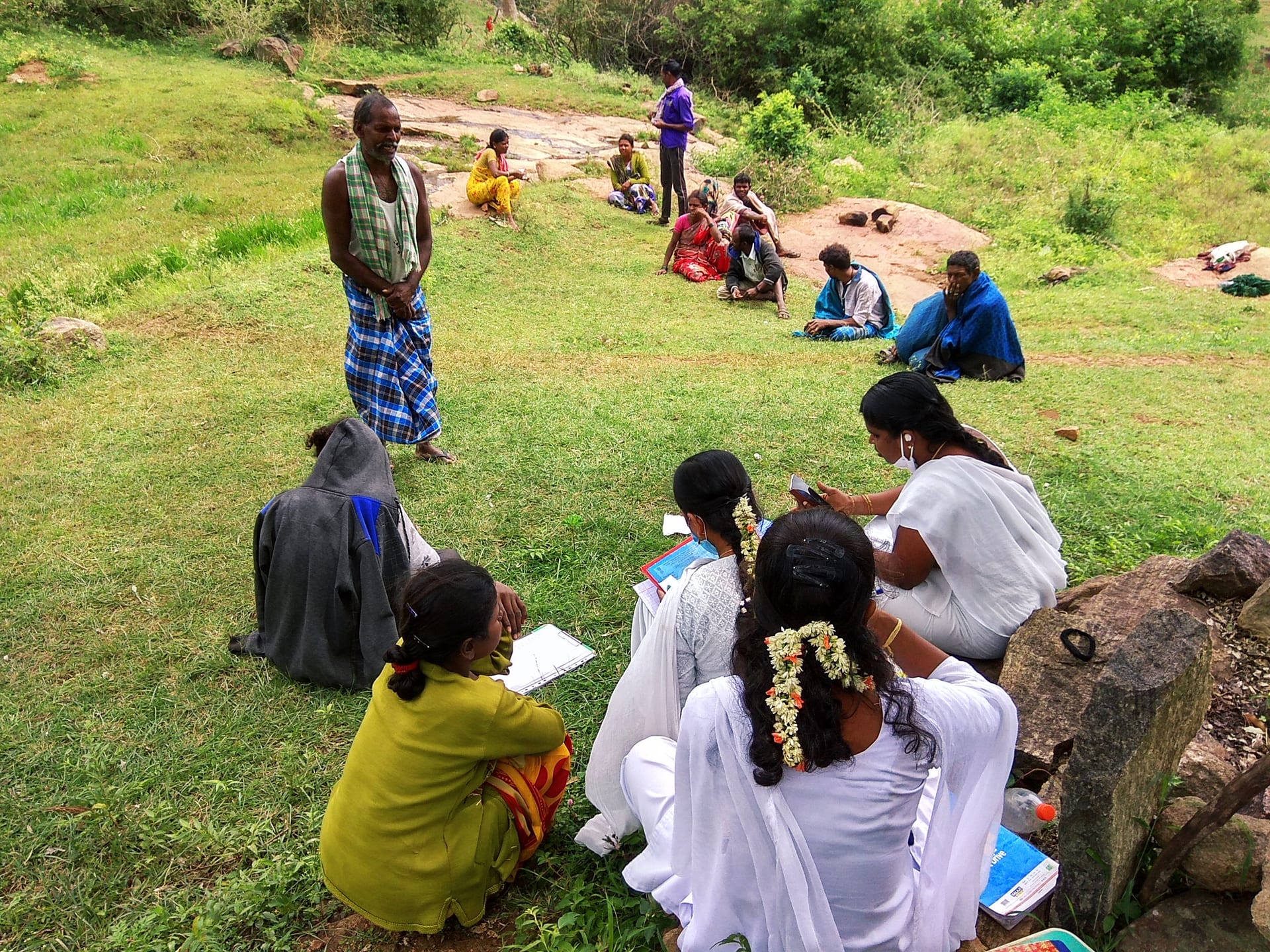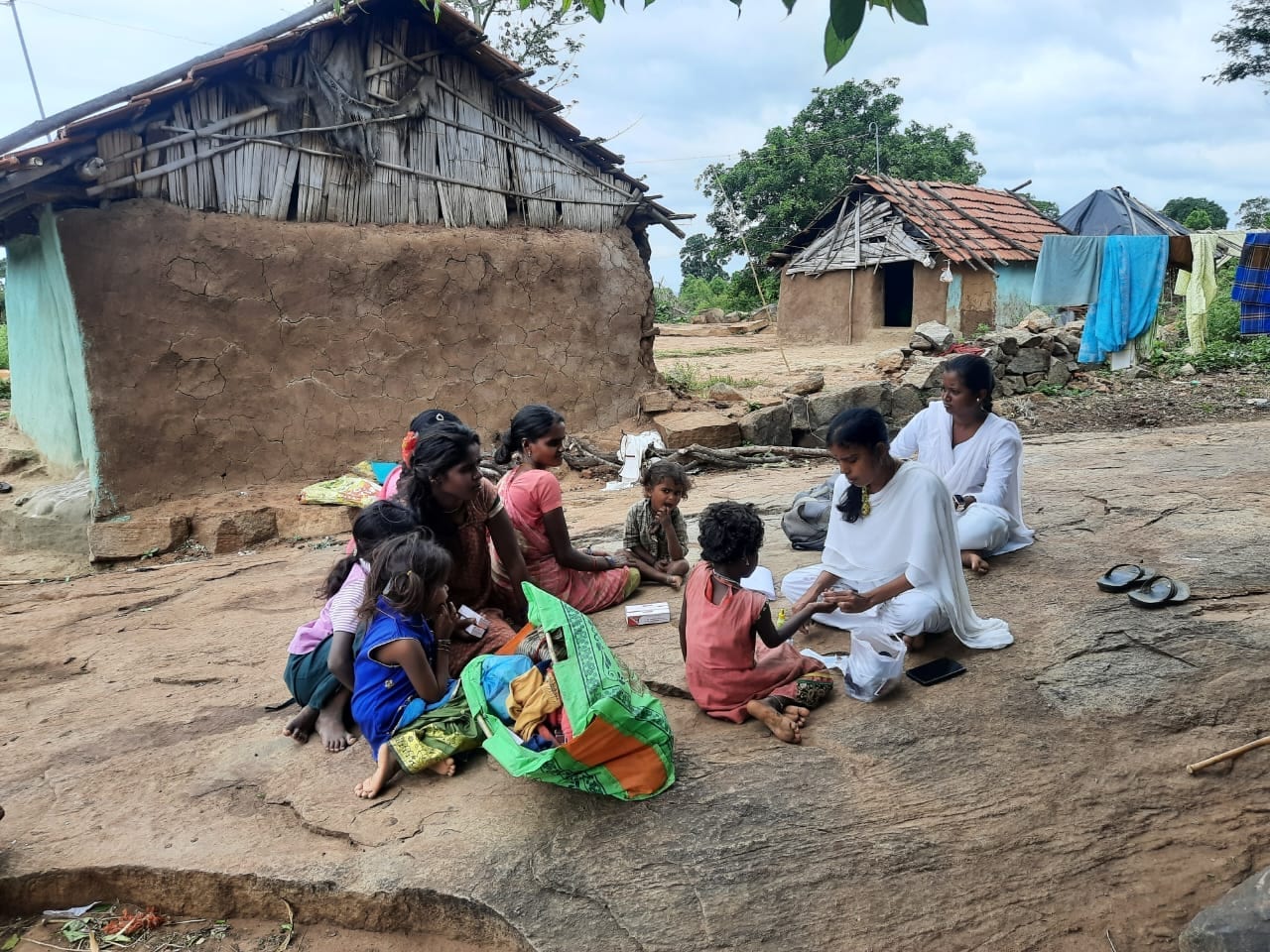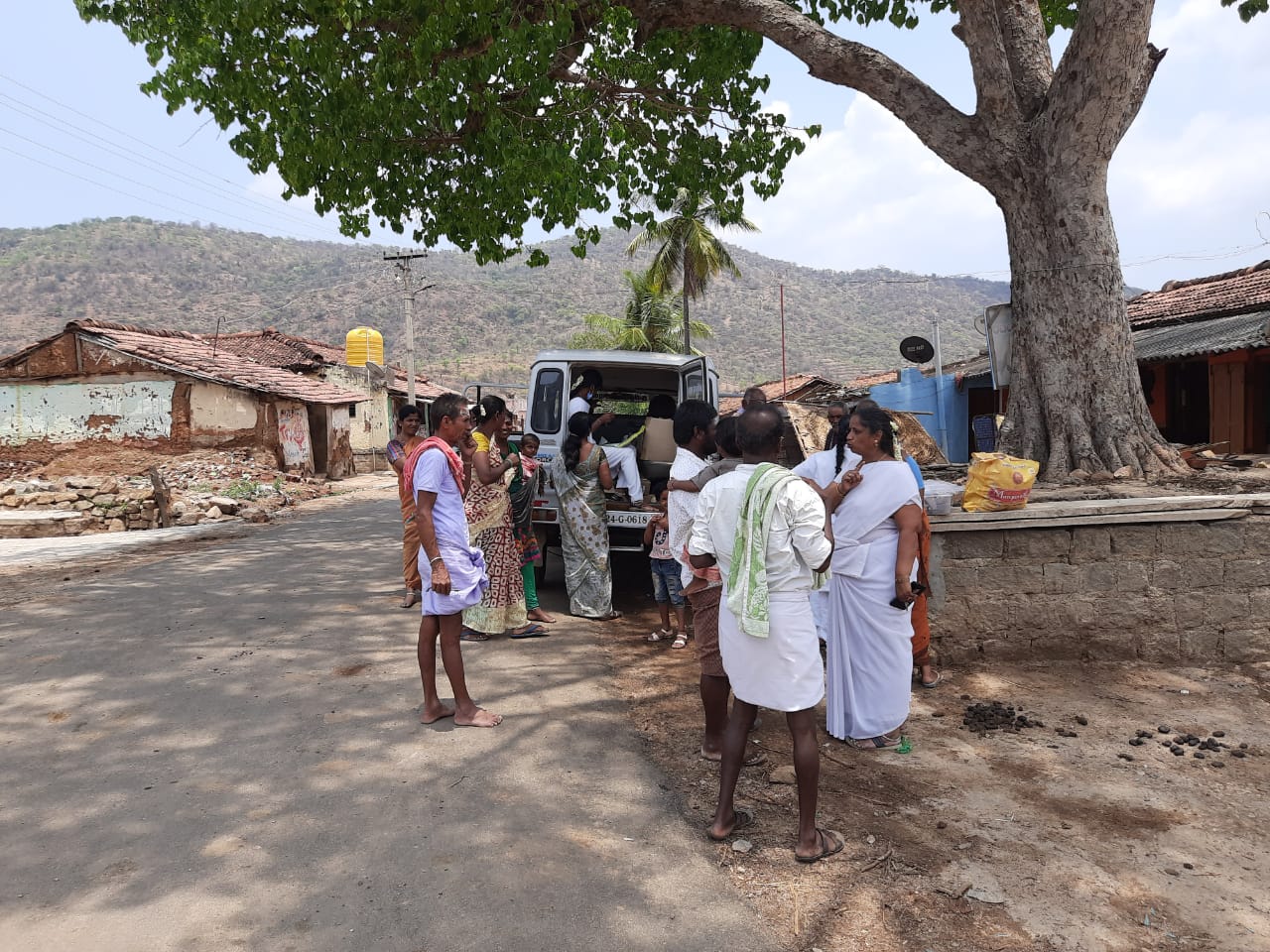


Tribal Mobile Outreach
Bridging the gap between isolated hill settlements and essential medical services since 2007.
Healthcare Support Programs
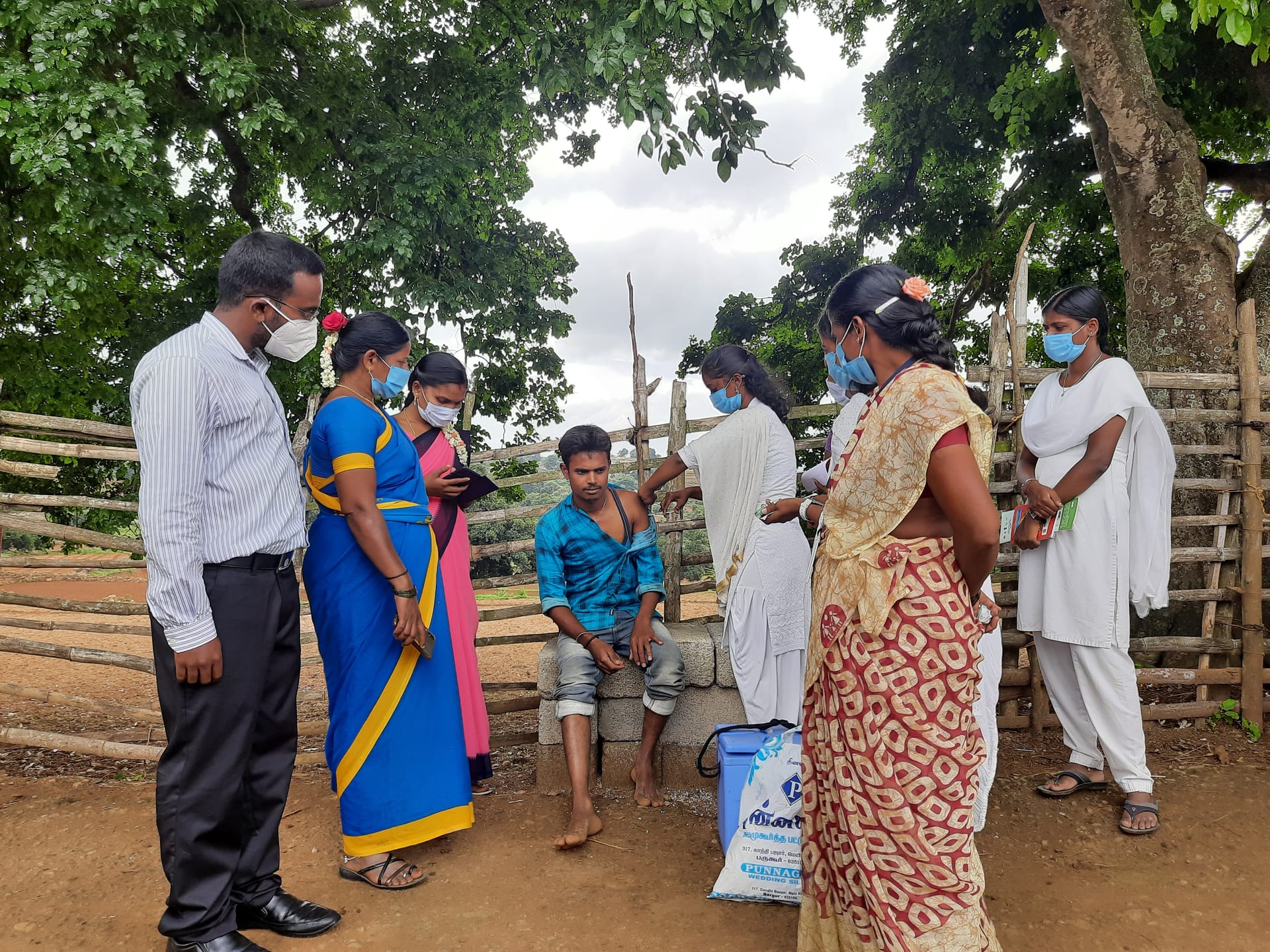
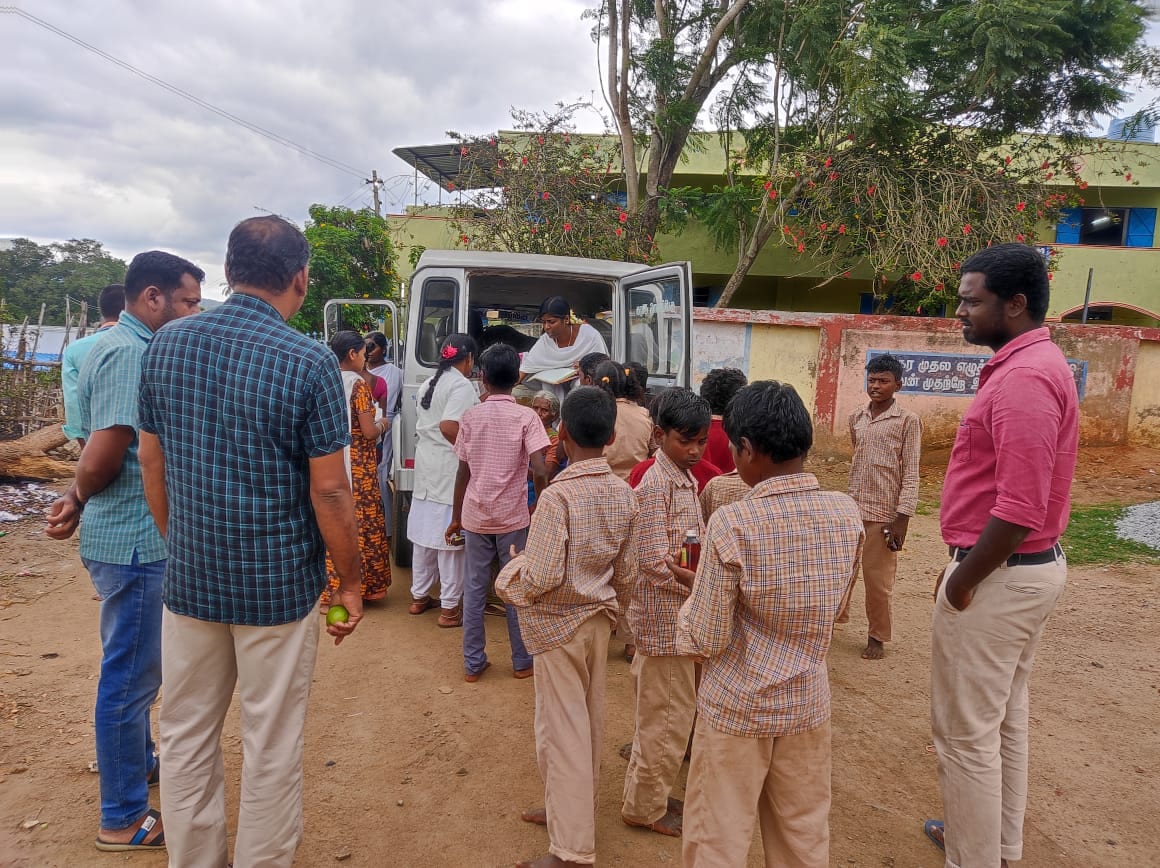
Tribal Medical Officer and the Rural Development Council (RDC) have been actively involved in a variety of public health initiatives aimed at improving healthcare access and outcomes in underserved communities. One of their key missions is the elimination of Sickle Cell Anemia through school-based screening programs for children in grades 6 to 12, helping identify carriers of Thalassemia and Sickle Cell Disease.
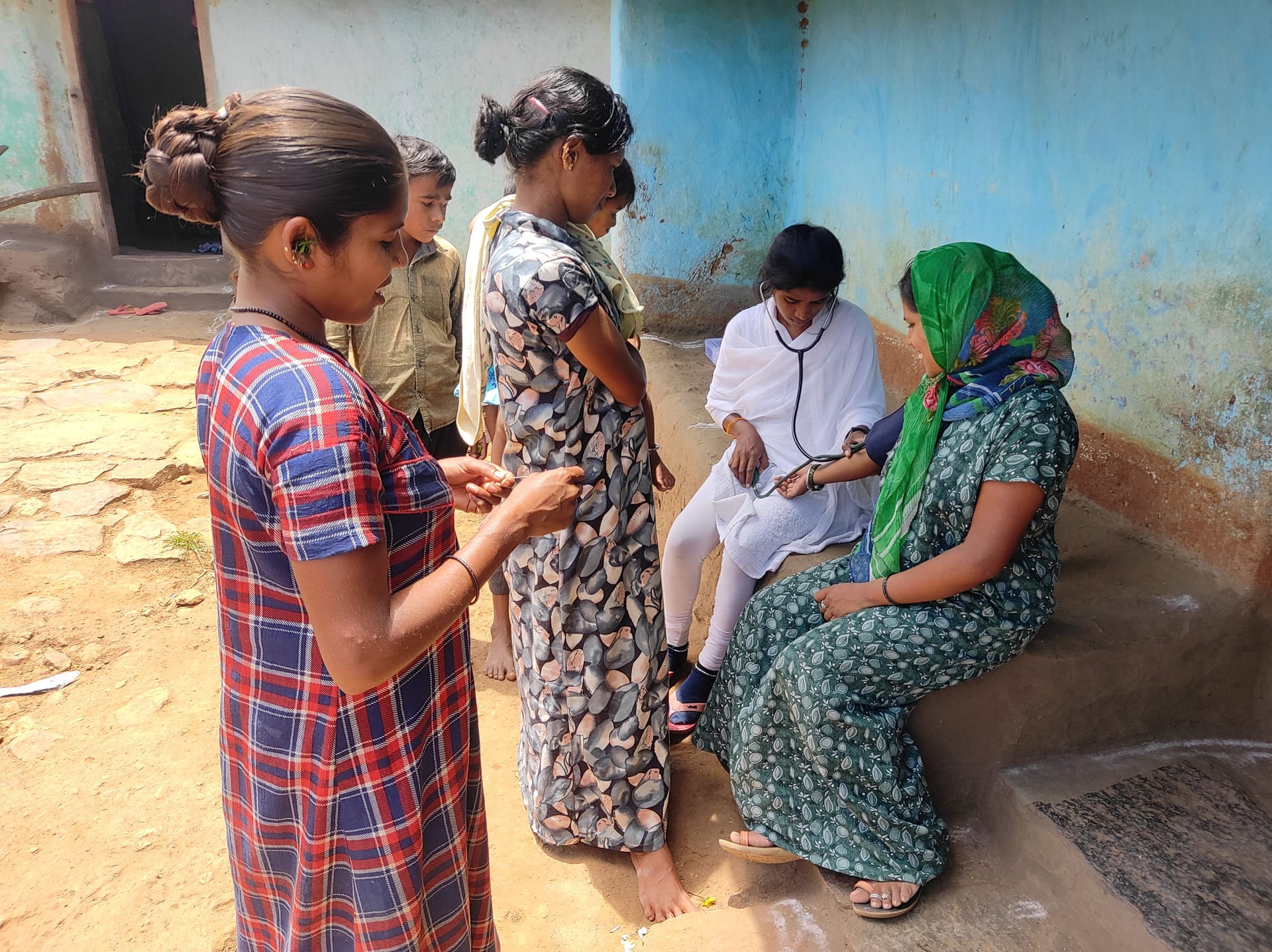
Under the RMNCH+A strategy — Reproductive, Maternal, Newborn, Child, Adolescent Health and Nutrition — RDC provides antenatal and postnatal care, as well as care for newborns, children, and adolescents.
The organization participates in the Nikshay programme by identifying and referring suspected tuberculosis cases for detection. They also manage non-communicable diseases (NCDs) through regular screening and medication for hypertension and diabetes. RDC conducts fever camps, provides health education, and plays a vital role in delivering healthcare services to tribal communities across 125 villages.
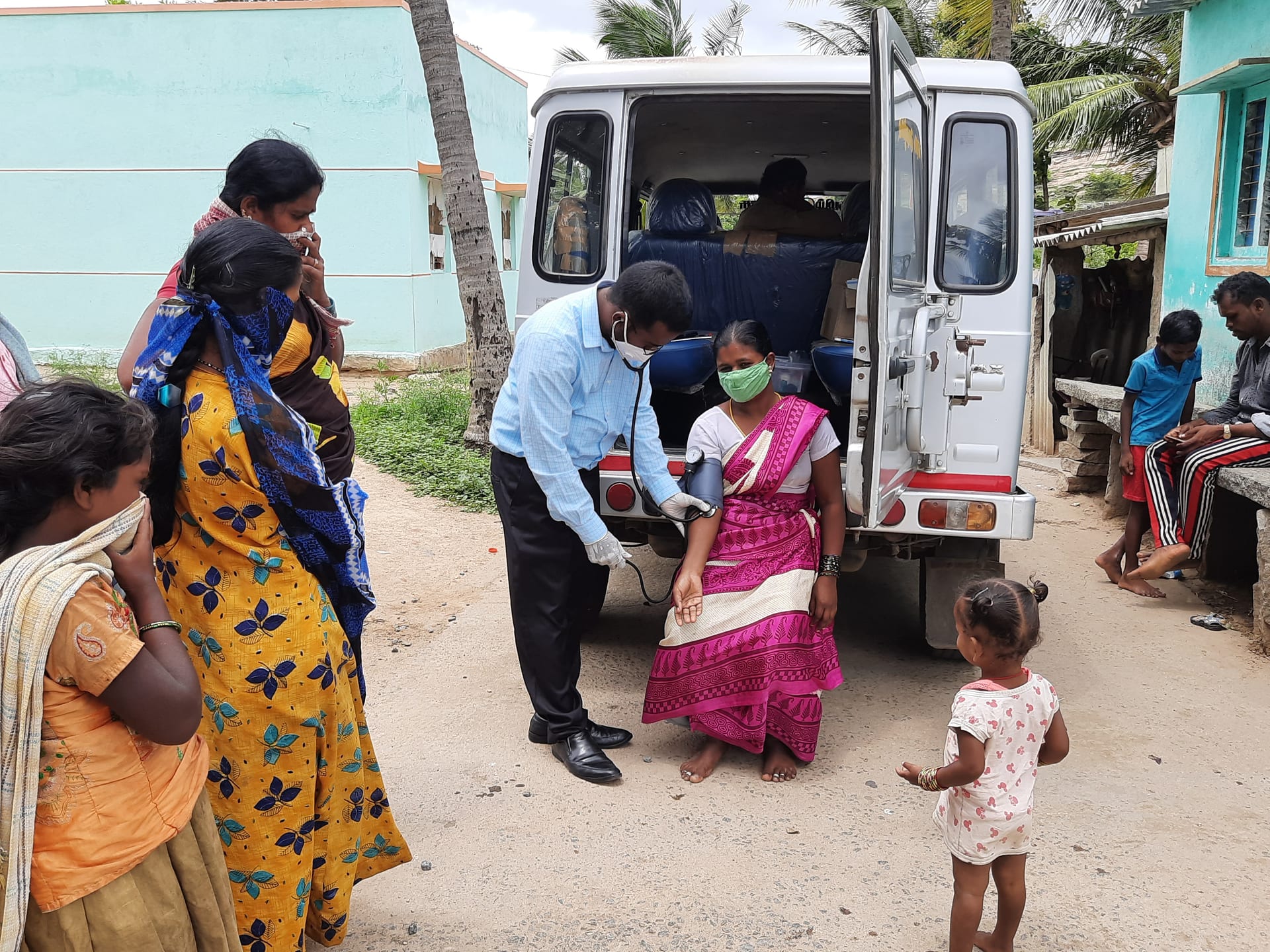
Since 2007, with support from the National Health Mission, RDC has operated a mobile medical unit staffed with doctors, medical personnel, and lab technicians to serve remote areas in the Thally and Kelamangalam blocks.
Collaborating with Primary Health Care centers, RDC offers free antenatal and postnatal health check-ups and screens community people for blood pressure, glucose, and hemoglobin levels. Through programs like the Nutrition Mela, they distribute nutritious supplements and raise awareness about government health schemes. Special medical camps, including breast and uterus screening for women, are also conducted periodically.
Hemoglobinopathy & Sickle Cell Screening Program
Annual Report: April 2024 – March 2025 | Operational Blocks: Thally & Kelamangalam
As part of our ongoing commitment to combat hereditary blood disorders, we conducted intensive screening and healthcare outreach across Thally and Kelamangalam blocks. The primary focus was on identifying and managing Hemoglobinopathies, including Beta Thalassemia and Sickle Cell Disease, through school-based screenings and public health interventions.
School-Based Hemoglobinopathy Screening – Thally Block (Children aged 11–17 years)
HPLC Results
This proactive school outreach helped in early identification and counseling of high-risk children, enabling preventive care and family screening.
Annual Indicators (2024–25)
| Indicator | Thally Block | Kelamangalam Block |
|---|---|---|
| Total OPD Consultations | 35,016 | 30,468 |
| Antenatal Care (ANC) Cases | 608 | 414 |
| Postnatal Care (PNC) Cases | 208 | 156 |
| Laboratory Tests Conducted | 30,236 | 25,476 |
| Referrals Made | 109 | 103 |
| Hemoglobin Tests (HB) | 7,396 | 5,300 |
| Fever Cases Treated | 532 | 412 |
Through integrated diagnostics and consistent follow-up, our team ensured early detection and referral, reducing health risks among vulnerable populations. This year's focused interventions have laid the groundwork for long-term management of genetic blood disorders in the region.
From the Field